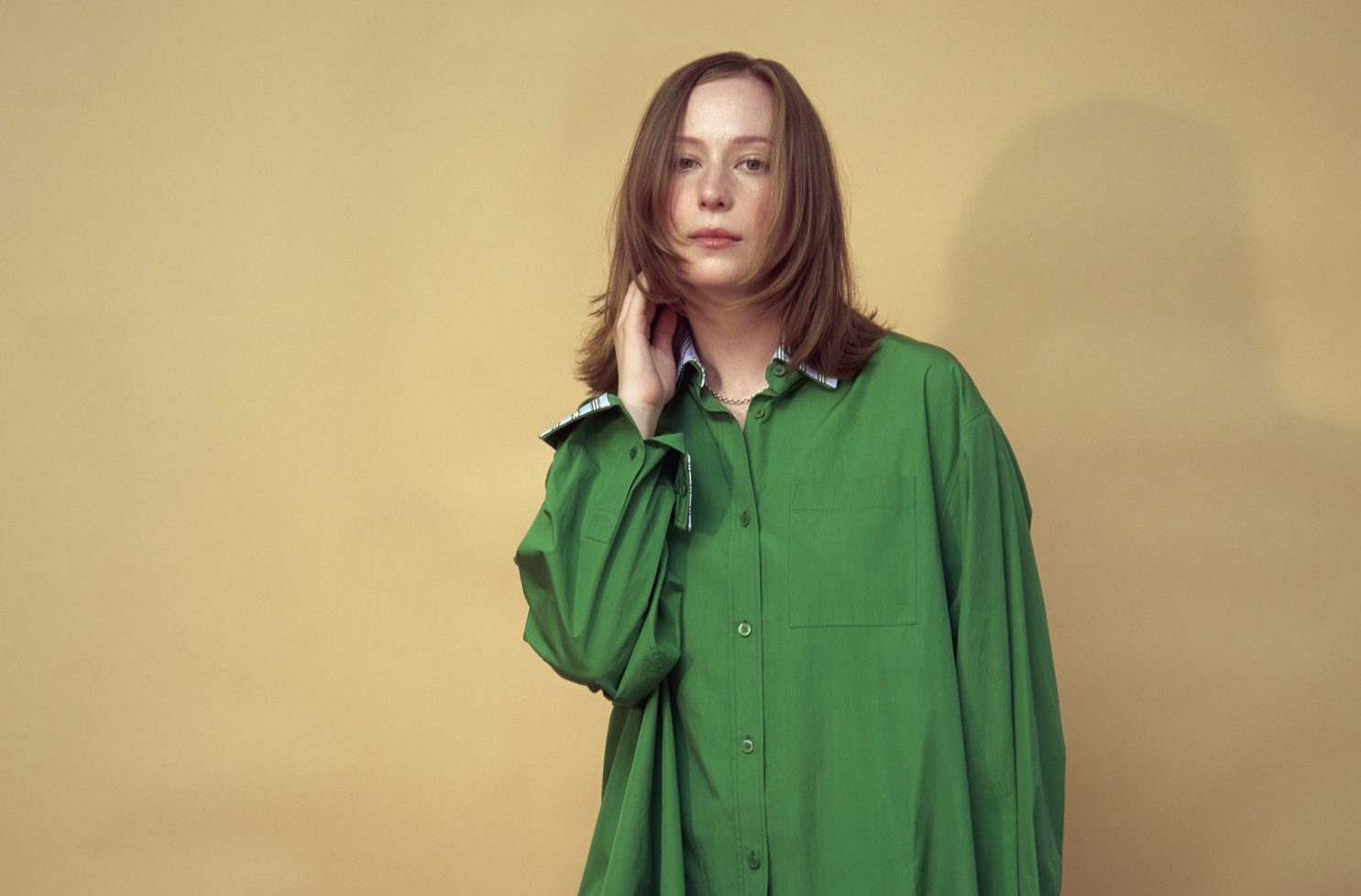


As she prepares for the release of her debut feature, Bunnylovr, actor and filmmaker Katarina Zhu speaks to us about writing herself into a character, toxic relationships with the internet, and finding community in a tight-knit circle of filmmakers in New York City.
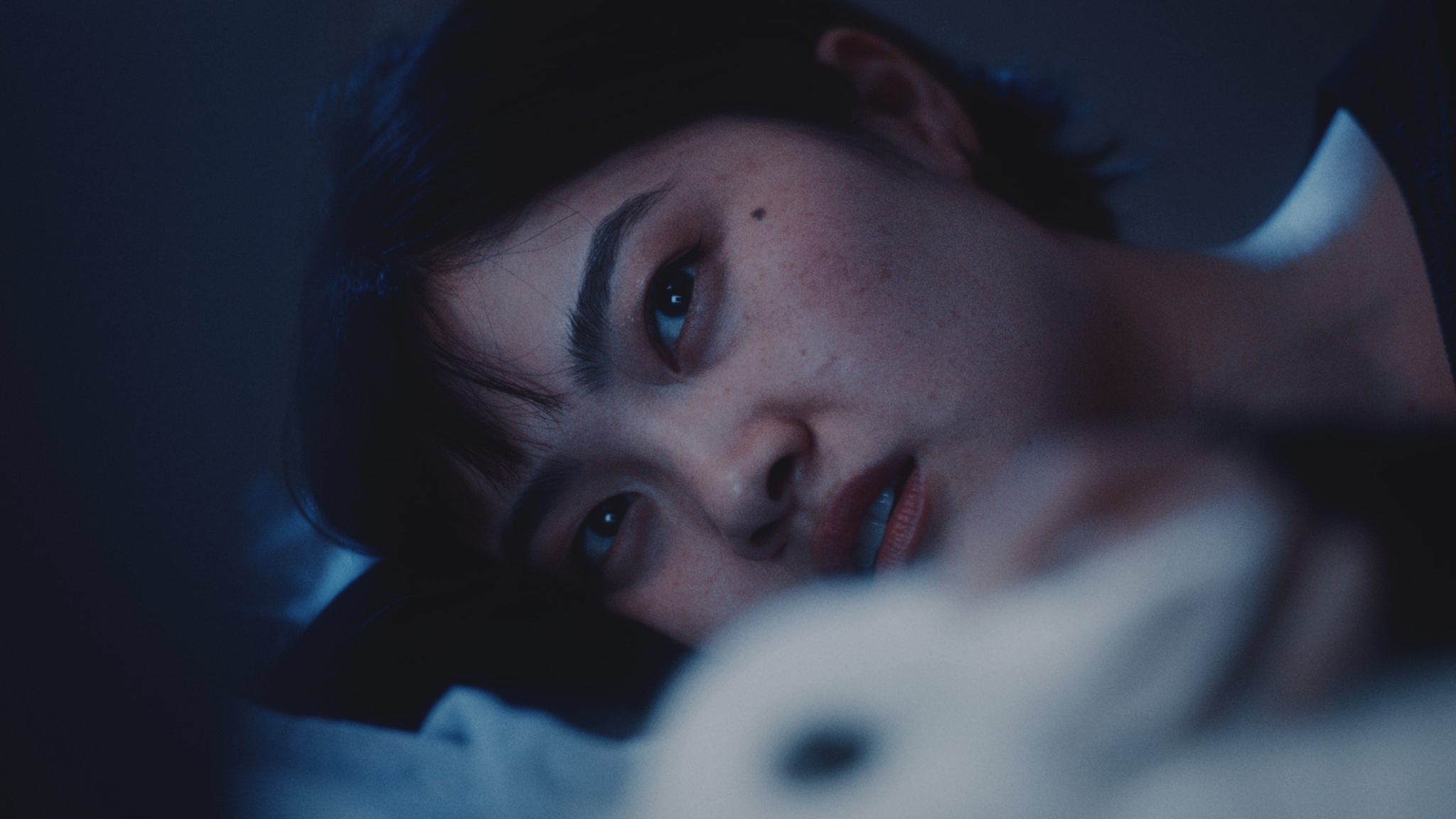
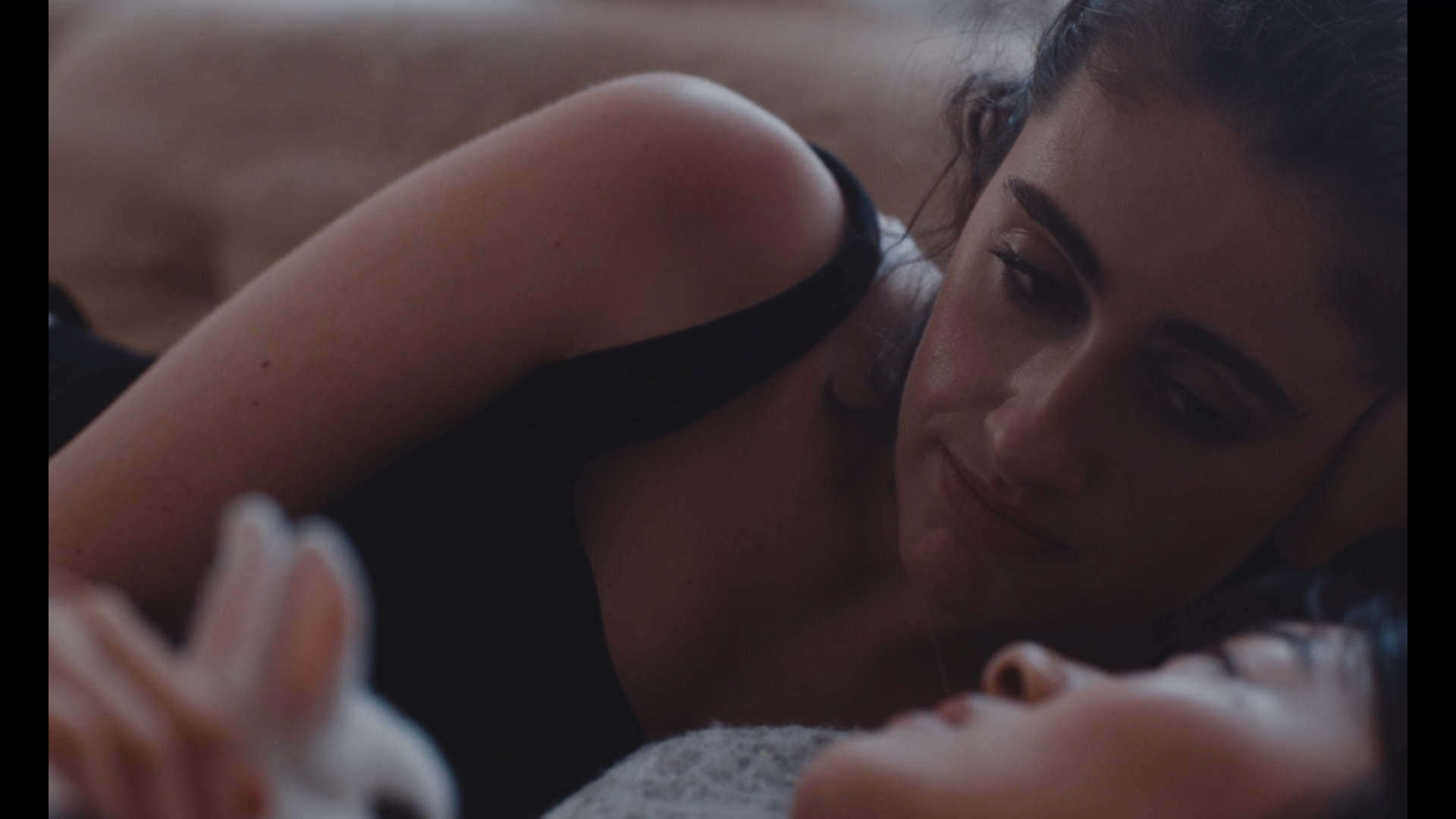
In her bedroom, Rebecca sits before the blue glare of a laptop. A pristine white rabbit rests in her arms, sent by an anonymous online client. She asks him to turn on his camera. “How about if you do something for me?” he replies.
This is a scene from Bunnylovr, the debut feature from 30-year-old Katarina Zhu, an actor and filmmaker based in New York City. After graduating from NYU’s Tisch with a BFA in acting in 2018, Zhu turned toward filmmaking. When she speaks to me—somewhat fittingly, over Zoom in her bedroom—she is just days away from the theatrical release of the film, which premiered to great acclaim at Sundance last year.
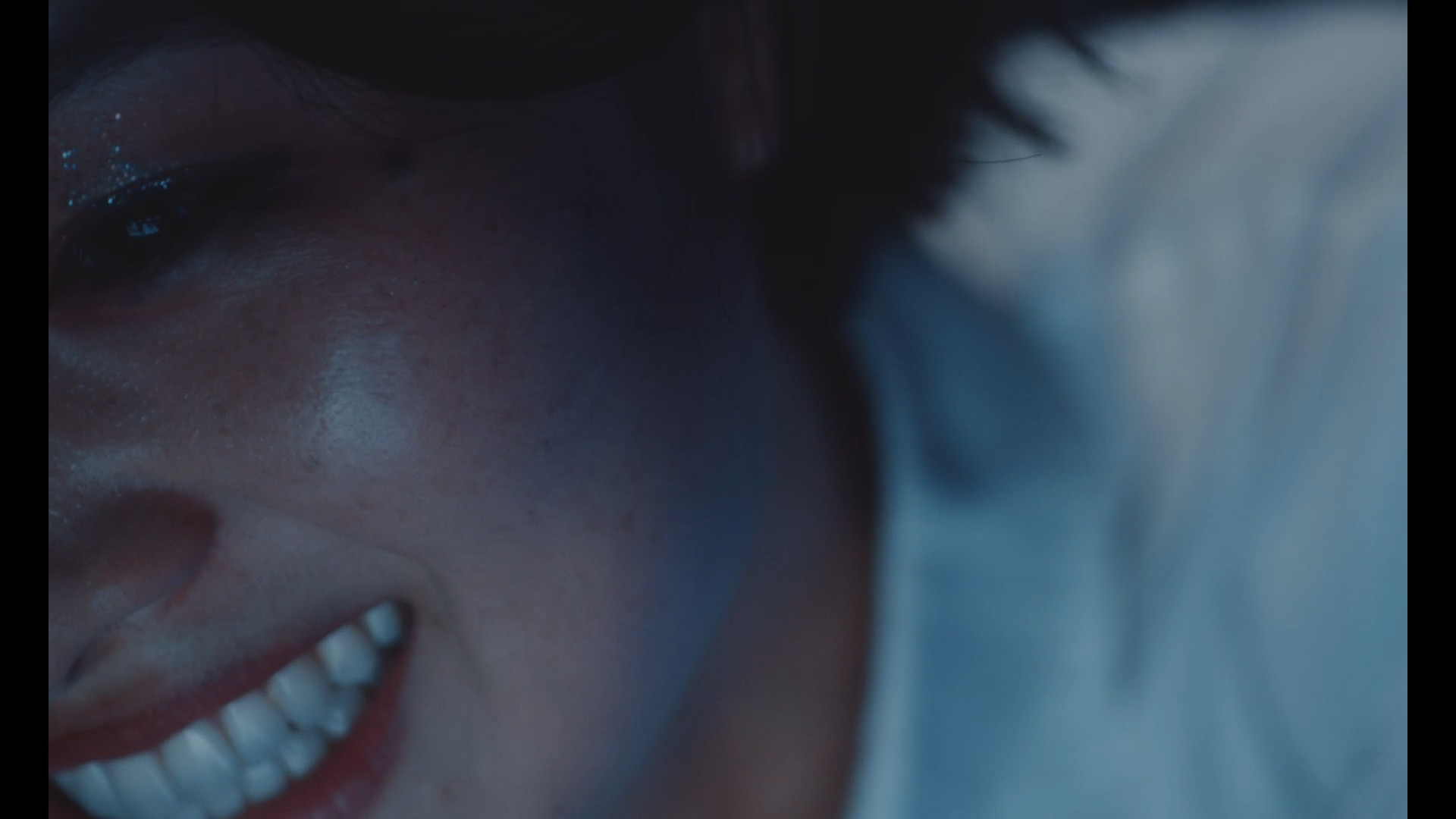
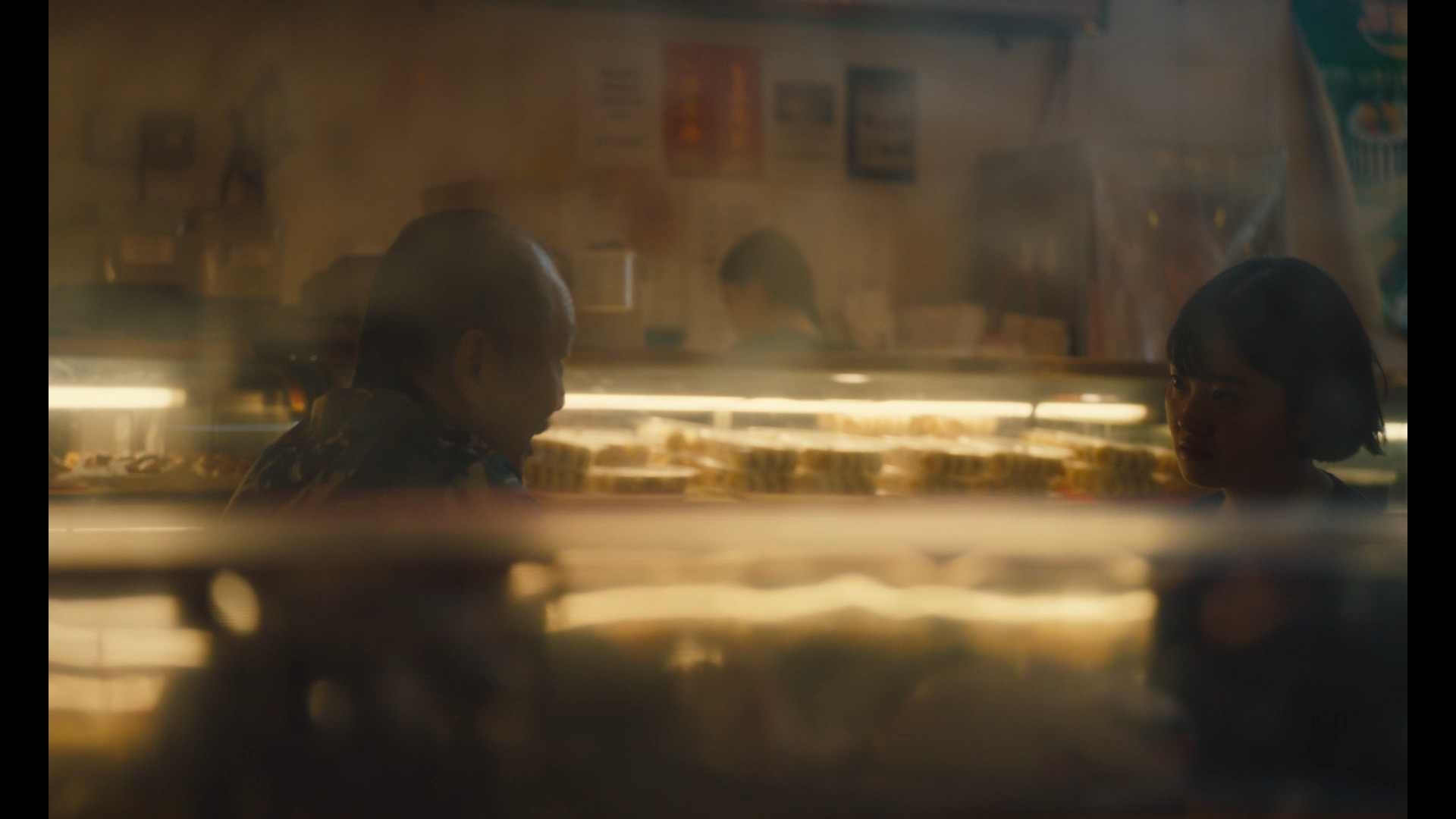
The film is an intimate portrait of Rebecca (also played by Zhu), a young woman drifting between the social world of New York City, and a parallel life online. It moves between moody shots of Chinatown, where Rebecca is reconnecting with her father, the City’s downtown arts scene, and the secrecy of her bedroom—where she spends hours alone with the glow of an interface, working as a cam girl.
Drawn from Zhu’s own experience of withdrawal into the digital world, Bunnylovr is a sinister but beautifully rendered story of what isolation can lead to at its extreme. A tale of self-searching almost synonymous with the city itself, yet shown freshly through Zhu’s experience as a second-generation Chinese American woman, and the first-generation raised by the internet.
In our conversation, Zhu speaks candidly about what it feels like to write and star in a role that draws so intimately on her own emotional experience. “The character is so close to me, so I was thinking about what parts of myself I wanted to amplify”, she says, before reflecting on the community she has found within the tight knit circle of filmmakers in New York City who helped bring Bunnylovr to life.
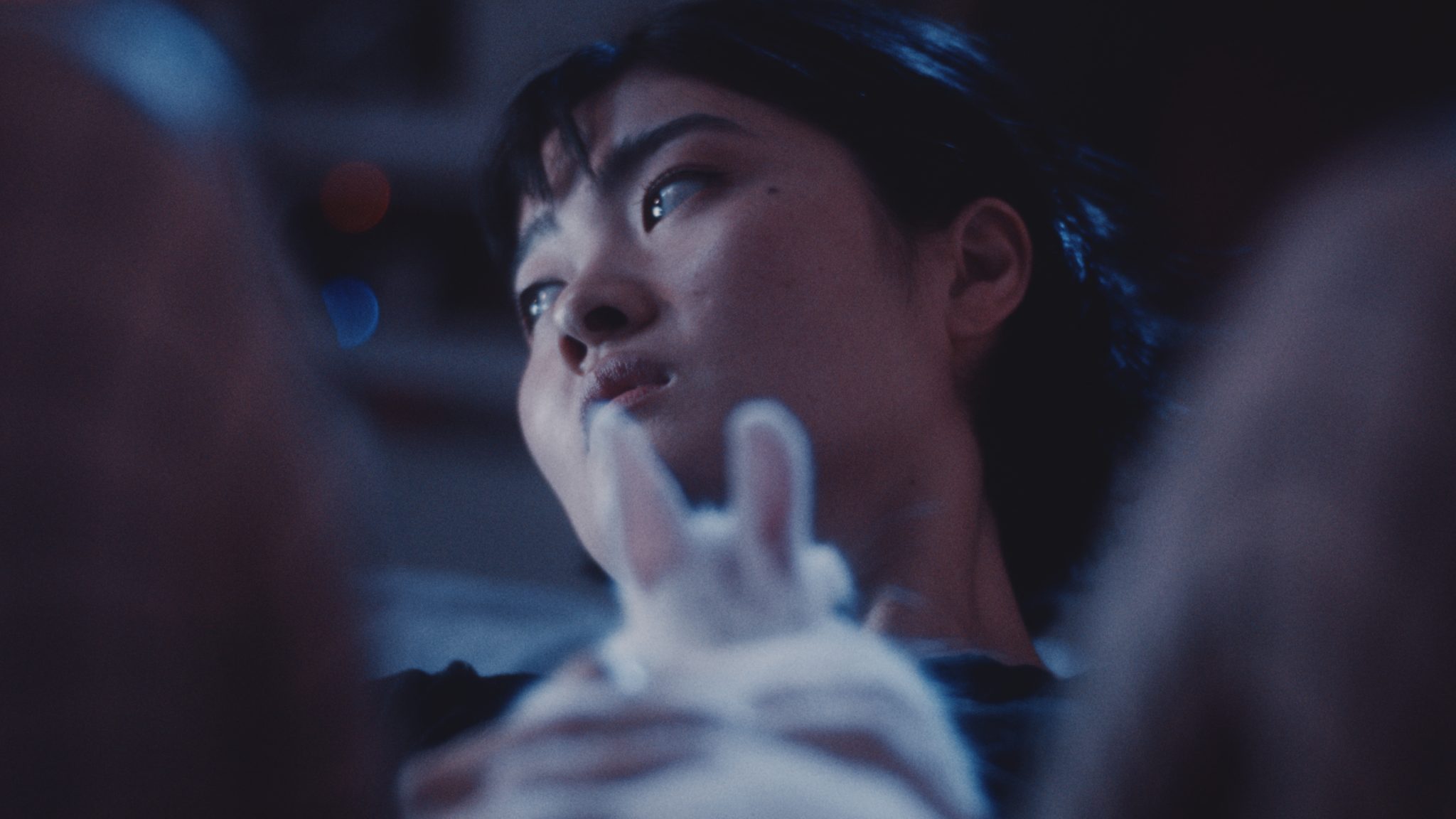
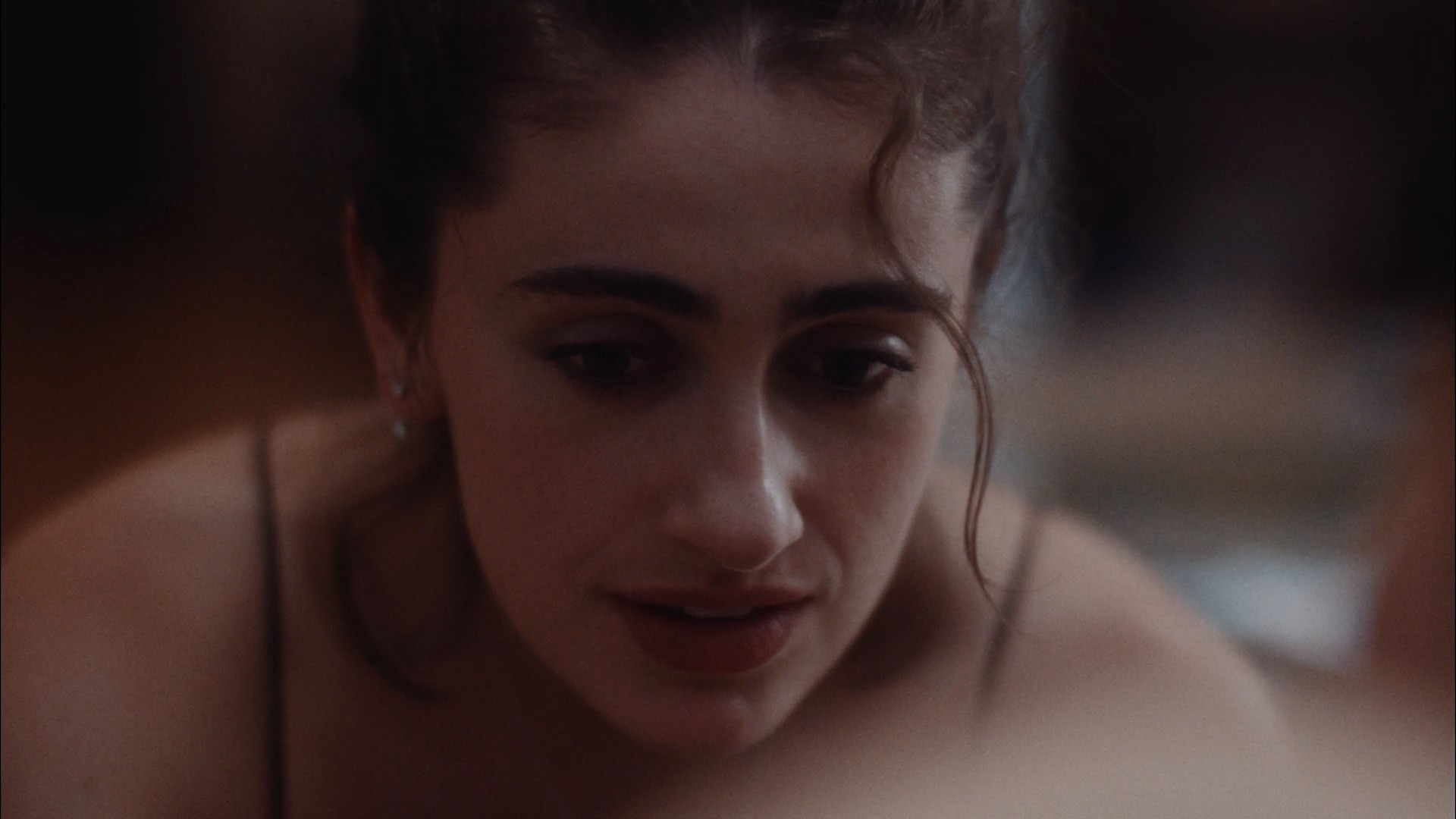
Katarina Zhu as Rebecca in Bunnylovr.
Carolina Julius: Bunnylovr explores so many things—friendship, being a woman, a young person, a daughter, and being online. When you were writing, did you have one thing in mind guiding you and the story?
Katarina Zhu: I think the core of the film, or maybe what drove me to write it, was this really deep sense of loneliness. Her life seems full—she’s rekindling her relationship with her dad, she has a best friend, she has a job, and she’s in a city where she’s surrounded by people—but still feels super lonely. I feel that is very much a symptom of our time.
CJ: You get the sense that Rebecca is highly sensitive, and that makes her fragile, but she is also really brave. What drew you to that type of character?
KZ: Not many people have brought that up, but I really like that observation. I’m interested in characters that have some kind of duality—that are toggling between two extremes. The character is so close to me, so I was thinking about what parts of myself I wanted to amplify.
I’m a really sensitive person. My antenna is always up. I notice every little micro expression and energy shift in a room—sometimes to a debilitating degree where I’m trying to predict people’s emotions before they happen, and that gets me into trouble. But at the same time, I feel like I have a side of myself that’s able to push through all that and compartmentalise. I wanted to bring that to the character.
CJ: You’ve said that Bunnylovr started because of a breakup. When you’re writing from your own experience, how do you know when to stop putting yourself into the role, and start creating a new character?
KZ. I think the core of what I’m creating always comes from some emotional truth. Even if the scenario or details are completely fabricated, the emotions at the centre might be tied to a very specific experience I’ve had. So, it’s sort of about how much I want to camouflage my experience or change it into something completely different.
For Bunnylovr, I started from a really personal place, and then let my imagination go to the extremes. I feel like the story tells you what it needs, and when you need to start departing from the facts. That’s the most fun part—being able to take scenarios and play out endings that didn’t happen, but could have. You get to rewrite history a little bit.
CJ: That closeness between yourself and the character—did that make it scary to put the film out in the world?
KZ: Totally. Up until the premiere at Sundance, I was so busy trying to finish the film that I didn’t have a chance to sit with the fact that so many people would be getting this very intimate view of me. Even now I’m still compartmentalising. I haven’t sat through a screening since Sundance. I don’t know, I literally just dissociate.


CJ: What made you decide to play Rebecca yourself? Was that the plan while you were writing?
KZ: I think, deep down, I knew that I would play her. I went to NYU for acting and auditioned professionally for a couple of years, but I wasn’t booking anything. That frustration led me to writing and directing my own stuff and putting myself in it. I wanted it to serve as a launchpad for my acting, but, in an amazing way, it made me realise how much I love directing and writing in equal measure to acting.
But I was also doing that thing I do, which is compartmentalise. I thought, oh, maybe someone else will do it—I was putting it away in a box to deal with later while I was writing.
CJ: I was going to ask, did knowing that you would play Rebecca affect how you wrote her?
KZ: I mean, maybe I would have taken it further or written raunchier stuff if I really felt that it wasn’t going to be me. But I was trying not to make it too salacious or titillating. I wanted it to feel like a slice of life and mundane. I don’t think I would have taken it further than it goes.
CJ: It feels like our generation has been able to grow up with a lot of secrecy, because the internet gives us access to this whole private world. Bunnylovr takes that to its extreme. What drew you to exploring that boundary between the real and the virtual?
KZ: I was born in 1995, so I feel like I was raised by the internet. The secrecy of the digital world is really cool—the power that you can have with an online persona that’s just yours and no one in your real life knows about. There was a time in my life where I was so online and not present in my real life. It’s easier than ever to do that now. I was interested in how that can make someone feel really empowered and in control in one space, but so powerless and out of control in another.
CJ: The film feels very rooted in a specific New York. What version of the city were you trying to capture? Is it your New York?
KZ: I think it is my New York. It’s a funny combination of the downtown New York art world and Chinatown, and those worlds sort of intersect, or run in parallel. It was important for me to depict Chinatown from my point of view as a second-generation Chinese American. Entering Chinatown feels really comforting—everybody looks like me, and culturally things are familiar. Going into a store and getting a red bean bun feels comforting. But then someone tries to speak to me in Cantonese and I can’t respond, and there’s this moment of disconnect. It’s like, oh, right—this is mine, but it’s also not mine. I’m one degree removed in this interesting way that I haven’t seen depicted on screen.
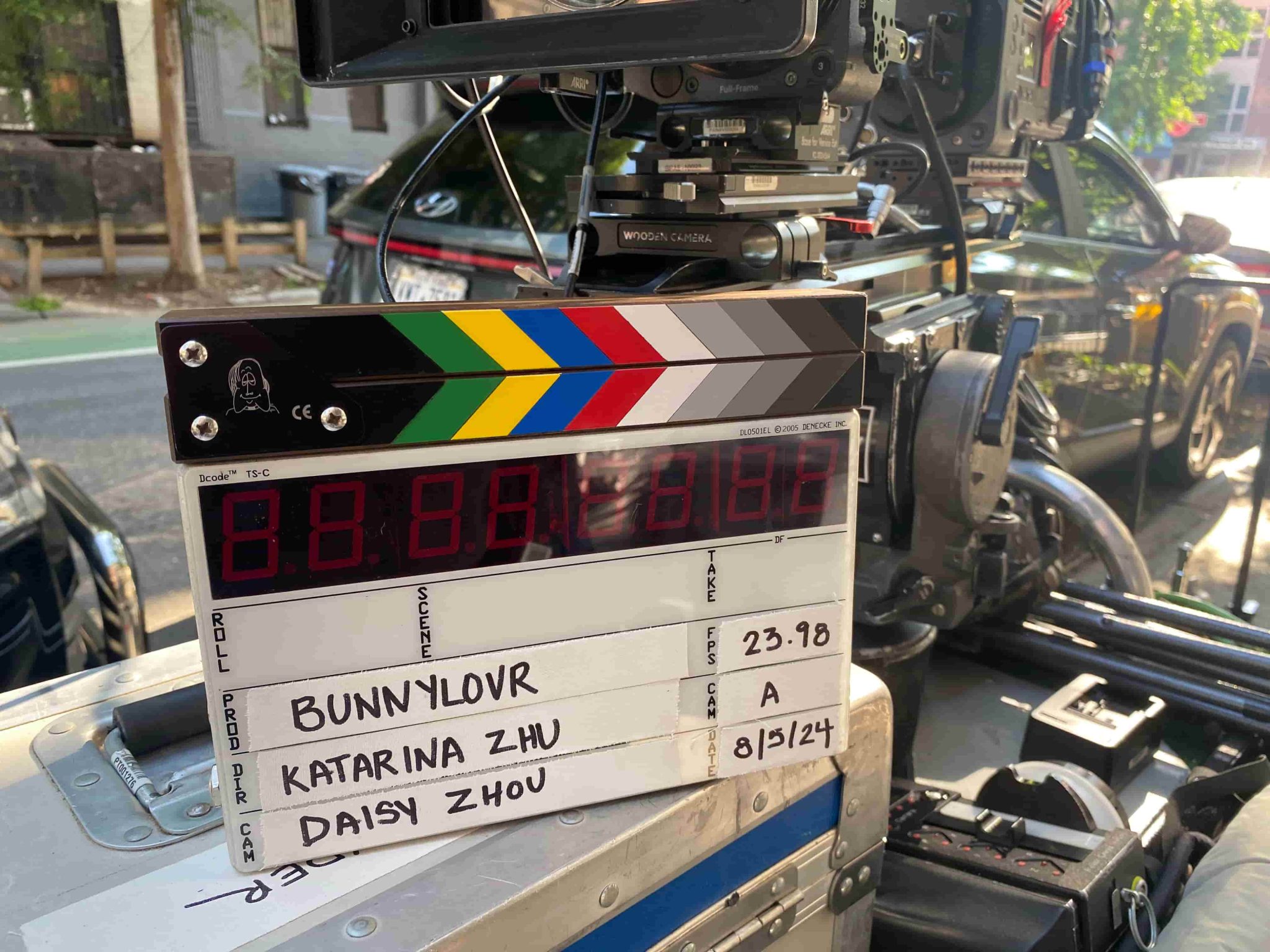
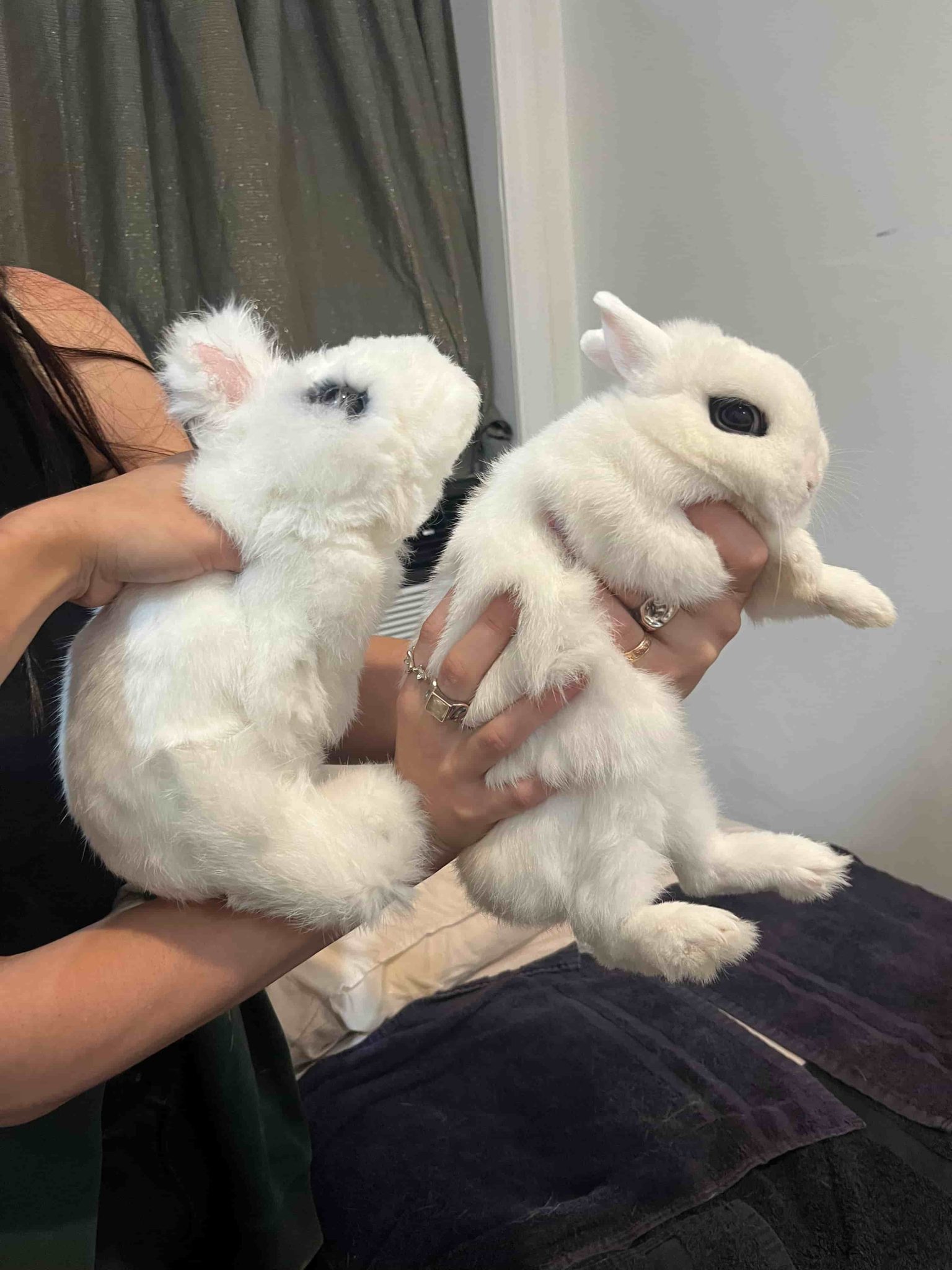
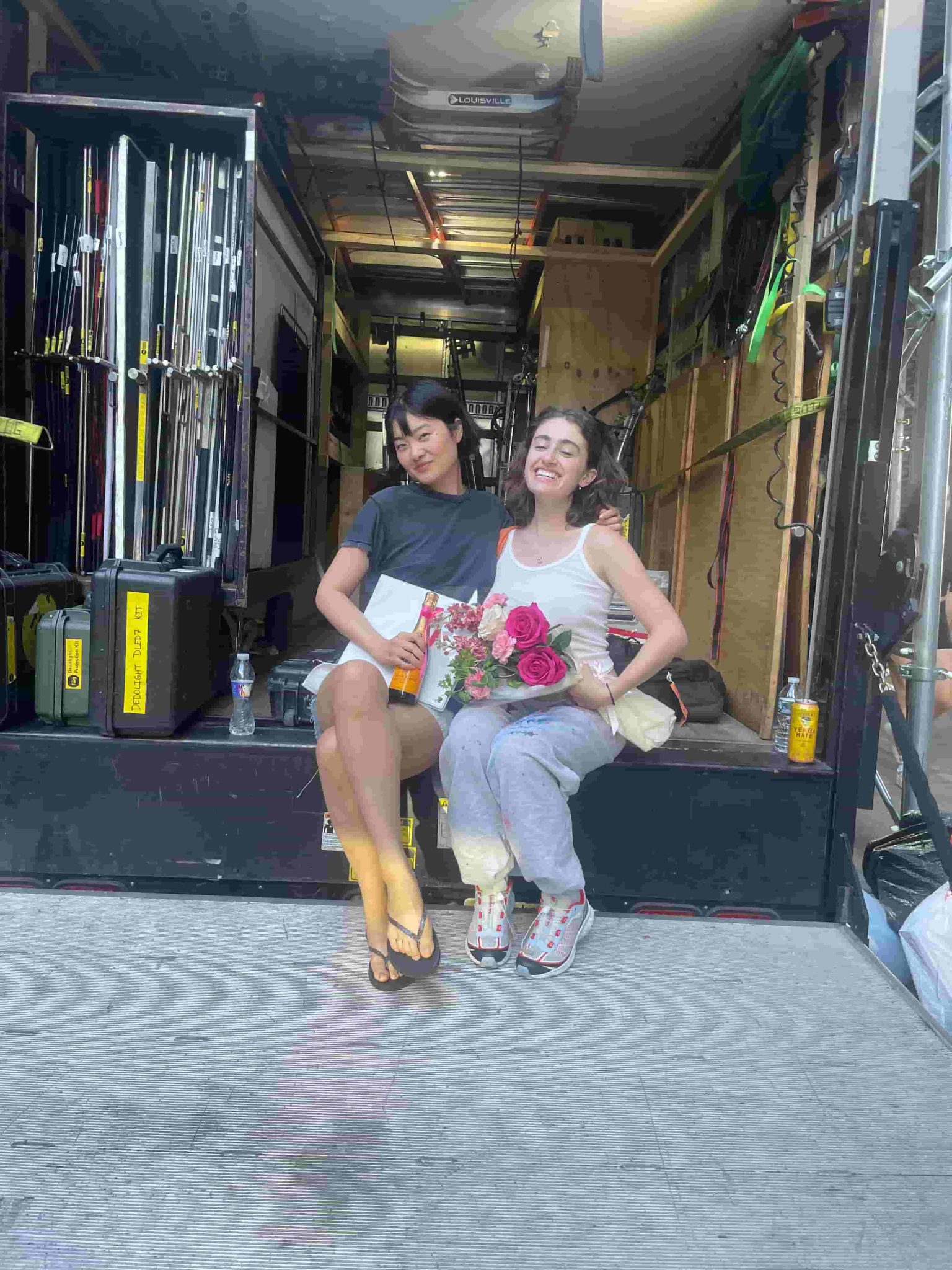
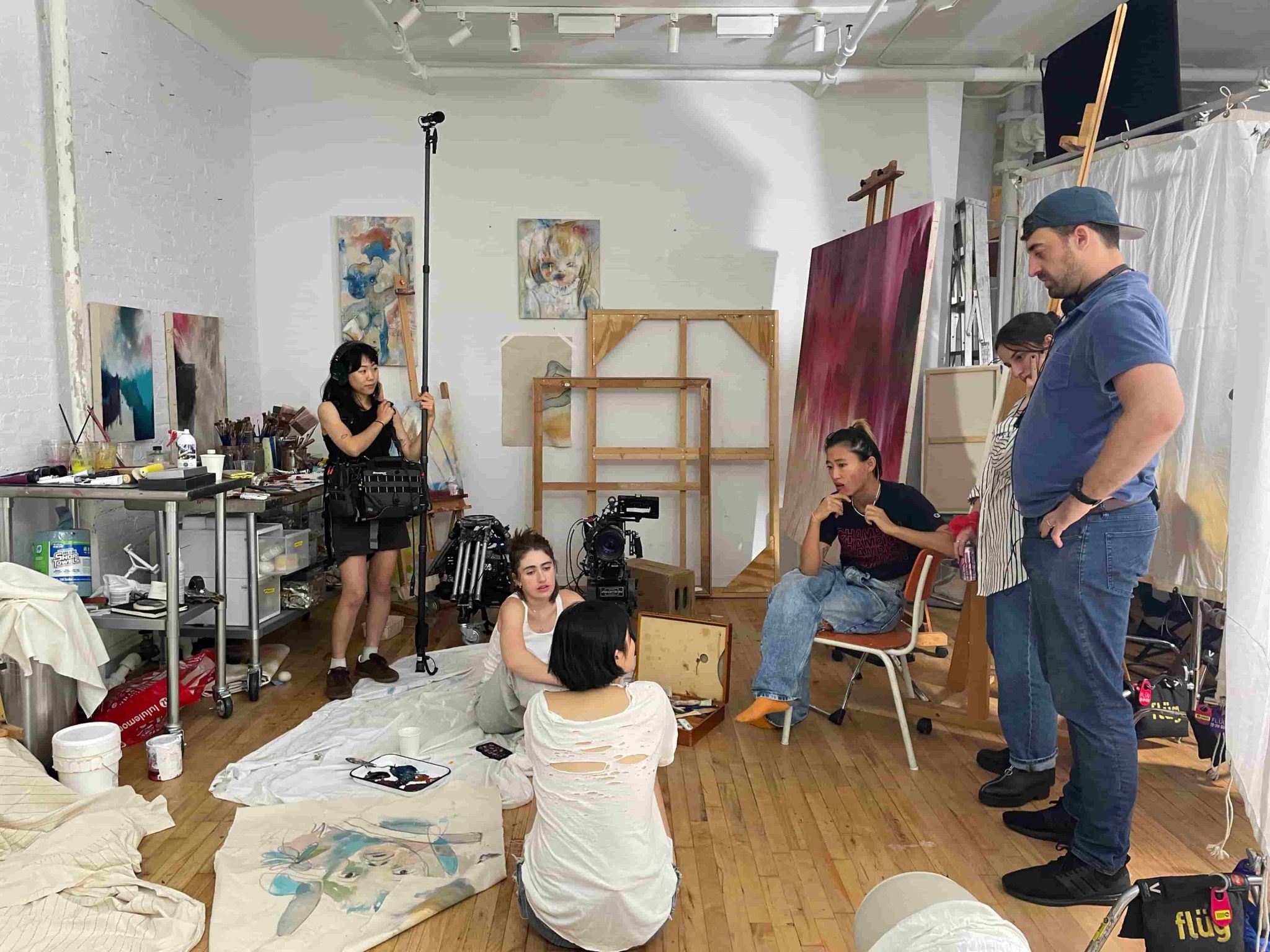
CJ: What was it like working with friends like Rachel Sennott? How did that change the atmosphere on set?
KZ: Since I figured out that I wanted to make movies, my dream has been to make them with my friends. So being on set with Rachel and other friends from NYU was a dream come true. It just made for a safe atmosphere that allowed me to be as vulnerable as I needed to be for the performance, while also wearing my directing hat. Rachel is a pro, so she was really locked in. The indie filmmaking community in New York is such a tightly knit community. You have to really rally around each other. You’re on such a low budget and everyone is calling in favours from everybody.
CJ: What energy does this creative community bring to your work?
KZ: One of the things that drew me to filmmaking was the community. As someone who’s struggled with self-isolating or living too much online, I return to filmmaking because it gives me the time alone to write in my room for days on end, but then, if I want it to be made, I have to bring it to other people.
It’s also such a specific job that very few people understand, so it’s important to have fellow filmmaker friends who understand when you’re ignoring their texts for weeks and weeks, because they know that you’ve been in the edit forever and were trying to meet a deadline. And when you come back out, they’re like, “Wanna get dinner tomorrow night?”, and there are no hard feelings. They just get it. My filmmaker friend community in New York City is everything to me.
CJ: What does your creative headspace look like right now? Are you writing something new?
KZ: I spent all of last year trying to get out a draft of a second feature, which I have. For the last month I’ve been in release mode for Bunnylovr, but I’m really excited to dive into it again. I feel like the soil is fertile—I think I’ll need a one-week break, and then I’ll be back to writing the second script.
Bunnylovr is out in the US now
Continue Reading